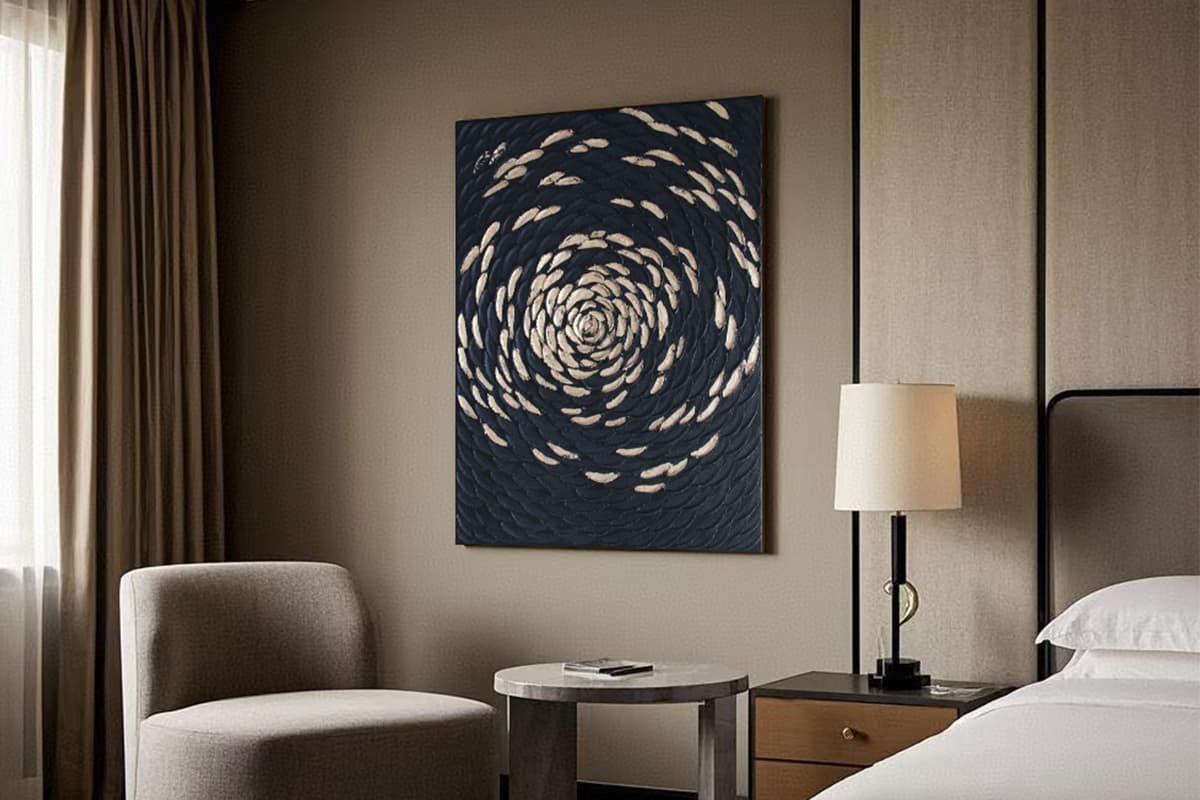
What is three dimensional wall art
Three dimensional wall art refers to decorative pieces that protrude from the wall, creating depth and texture. These works can range from sculptural reliefs to layered canvases and acrylic installations. The effect is tactile as well as visual, catching light to reveal subtle shadows and contours throughout the day. When choosing three dimensional wall art pieces, consider how much texture you want and how far they will project from the surface. Think about the room’s purpose, whether it’s a calm bedroom or a vibrant living area, and how the artwork will interact with surrounding colours and furnishings.
Choosing the right materials and colours
Materials vary from lightweight resin and wood to metal and mixed media. The finish, whether matte, metallic, or glossy, influences how light plays across the surface. Neutral tones offer versatility and complement a wide range of decor, while bold hues can act as a focal point. In smaller spaces, opt for pieces with narrower profiles to maintain a sense of openness. Curated metal silhouettes or layered canvas pieces can add architectural interest without overwhelming the wall.
Placement and lighting tips
Position your piece at eye level for immediate impact, typically around 150 centimetres from the floor. If you can, install a dedicated light source such as a spotlight or track lighting to sculpt the shadows and highlight textures. For hallways or stairs, a series of smaller works can create a narrative rhythm. In intimate spaces, a single compact sculpture can provide a quiet focal point that invites close inspection and contemplation.
Care and maintenance strategies
Regular dusting with a soft brush or microfiber cloth keeps surface details crisp. For finishes prone to fingerprints, use a gentle cleaner recommended by the manufacturer and avoid excess moisture. Check for loose fittings or signs of warping, especially for pieces with hanging hardware. If you notice any movement, secure mounting to ensure long term stability. Proper care preserves the dimensional quality and prevents dulling of the texture over time.
Conclusion
Three dimensional wall art can transform a plain wall into a dynamic focal point, adding interest and depth without overwhelming the space. By balancing materials, tones, and lighting, you create a cohesive look that enhances movement and ambience. If you’re exploring new pieces, consider the room’s scale and how a sculptural element will interact with furniture and textiles. Visit ADS Enterprise Ltd. for more inspiration and ideas about how to integrate distinctive pieces into your interior.